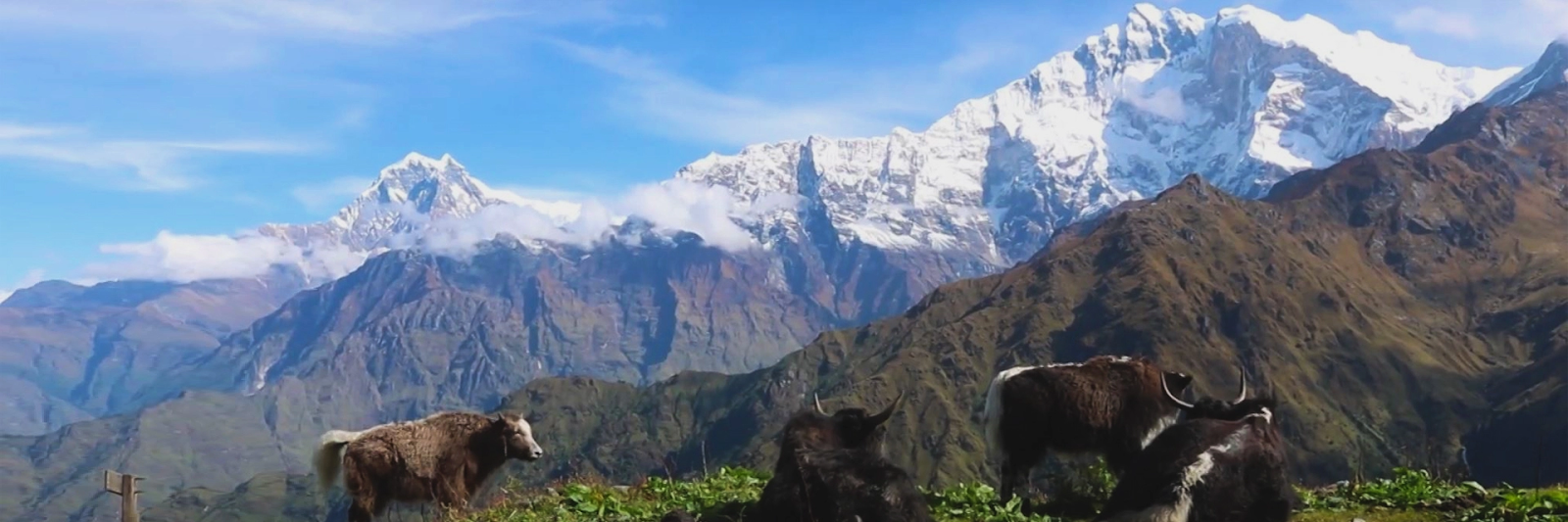
The land of Nepal is always open for mountain dreams and long walking days. Snow peaks talk with the sky. Old trails carry stories of people, yaks, wind, and prayer flags. In one travel heart, three great journeys connect together and give a deep feeling of Himalayan life. These routes show easy green ridges, wild high passes, and hidden valleys far from the road. Walking here is not only a step; it is a slow learning of mountain mood and human strength.
Khopra Ridge Trek—Quiet Ridge Above the Clouds
The Khopra Ridge Trek moves through soft forest, wide meadow, and high open ridge where mountains feel very near. This trail sits inside the Annapurna region but away from the busy path. Many walkers love it because crowds feel smaller and nature feels more real. From low village to high ridge, paths change color every day.
The walk starts from warm hills near the Pokhara area. Stone steps go up and down through the village with smiling people. Rhododendron forest covers the trail in springtime; red flowers fall on paths like carpet. The air feels fresh and slow. The village house is made of stone and wood; smoke rises from the kitchen and the dog sleeps near the door.
Higher up, the ridge opens wide. Khopra Danda stands high and proud. From here, Annapurna South, Dhaulagiri, and Nilgiri show their full faces. Sunrise comes slowly and gold. The wind is strong on the ridge but my heart feels calm. This place gives a feeling of space and freedom. Many trekkers say this ridge touches the soul.
One special walk from here goes to Khayer Lake. This is a holy lake, cold and quiet, sitting below a high wall of a mountain. People walk slowly because the altitude is high and they breathe shortly. Lake water stays still and deep blue. Prayer flags dance around. This side trip gives a strong spiritual feel.
Tea houses on this trek are simple but warm. Food is basic; dal bhat gives power. Night feels cold but the sky is full of stars. This trek fits people who want beauty, culture, and not too hard a challenge.
Everest Three High Pass Trek—Test of Body and Mind
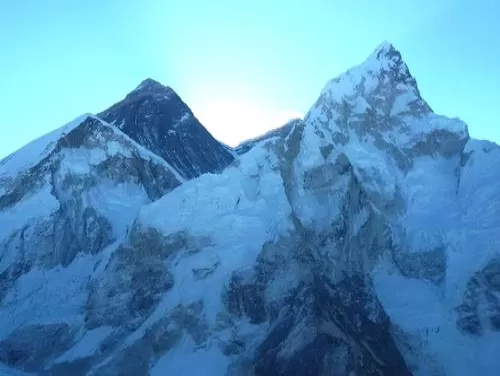
The Everest Three High Pass Trek is a big journey, a strong journey, and a long journey. This is not a simple walk. It asks for power, patience, and respect for mountains. Three high passes sit above 5,000 meters, each one in a different mood. The names of the passes sound strong, and they are strong in real life.
The trail begins in Khumbu land, where Sherpa culture lives deep. Mani walls, prayer wheels, and old monasteries stand everywhere. From the Lukla area, the path goes through forest, river bridge, and stone village. The Everest region feels busy at first but slowly becomes wild as the route moves away from the normal base camp path.
The first big challenge came with Kongma La Pass. This pass feels lonely and rocky. Ice and stone mix together. Marking is less clear. The wind blows hard. But from the top, the view of glaciers and peaks looks unreal. The body feels tired but the heart feels proud.
Then the trail moved to Cho La Pass. This pass has an ice section and needs careful steps. Early morning cross is best. Crampons are sometimes useful. When the sun rises, mountains shine bright. Cho La connects two valleys and gives the feeling of crossing the world.
Last is Renjo La Pass. Many say this pass is the most beautiful. From the top, the Gokyo lakes shine turquoise below, and Everest is visible far away. This moment stays long in memory. After passing, walking down to Gokyo valley feels peaceful.
This trek also includes visits to Everest Base Camp and Kala Patthar usually. That means more walking and more views. Lodges are basic but many because the region is famous. Altitude needs respect. Rest days and slow walks are key.
The Everest Three High Pass Trek gives the full Khumbu experience. It shows the power of mountains and the power of human will.
Nar Phu Valley Trek—Hidden World Behind the Mountains
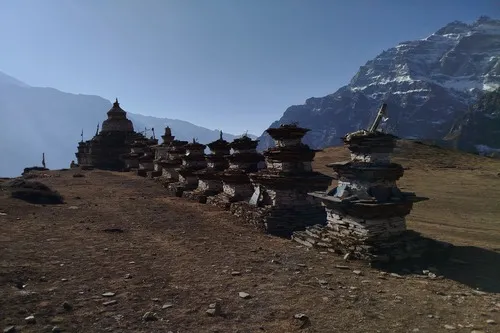
The Nar Phu Valley Trek feels like time travel. This valley stayed hidden for a long time, near the Annapurna and Manaslu area. Culture here feels old and untouched. Villages of Nar and Phu sit high and quiet, surrounded by dry cliffs and snow peaks.
The trail starts from the Annapurna Circuit area but soon leaves the main path. Forests turn into dry land. River cut a deep gorge. Wooden bridges cross cold water. Fewer people come here, so trails feel raw and real.
Villages appear suddenly after a long walk. Stone houses stack close. Narrow alleys run between walls. People wear traditional dress and speak an old dialect. Life moves slowly. Barley fields grow near the village, and prayer flags protect houses.
Phu village sits higher and feels more remote. The monastery stands above the village, watching the valley. From here, the view of Himlung Himal looks strong and sharp. Yaks walk slowly; bells sound soft. Night is silent and the sky is full of stars.
Nar village is bigger and sits in a wide open valley. The old fortress wall shows the history of protection. Culture here has a strong Tibetan influence. Food is simple but filling. Hospitality feels honest.
This trek also includes a high pass called Kang La Pass. From the top, the Annapurna range is huge and white. Crossing this pass connects Nar Phu back to the main Annapurna region. This moment feels like opening a door from a secret world to the known world.
The Nar Phu Valley Trek needs a special permit and guide. The path is rough in places. But the reward is deep culture and untouched beauty.
Comparing the Three Himalayan Journeys
These three treks are different but connected by the spirit of adventure. The Khopra Ridge Trek is gentle and scenic, good for a calm heart and love of nature. The Everest Three High Pass Trek is hard and wild, best for a strong body and big dreams. The Nar Phu Valley Trek is cultural and remote, perfect for explorer souls.
Altitude level changes between them. Khopra Ridge stays lower than Everest passes, so altitude risk is less. Everest trek demands good acclimatization. Nar Phu sits in between but is still high and dry.
The scenery also changes. Khopra gives a green hill and wide ridge. Everest gives glaciers, ice, and giant peaks. Nar Phu gives a dry valley, an ancient village, and a raw landscape.
Culture feels different too. Khopra shows Gurung village life. Everest shows Sherpa mountain culture. Nar Phu shows Tibetan-style life is still alive.
Best Time and Preparation
The best seasons for all three treks are spring and autumn. Spring brings flowers and a clear sky. Autumn brings stable weather and a sharp view. Winter is cold and some passes close. Monsoon brings rain and clouds, which is not good for high passes.
Good shoes, warm clothes, and slow walking are important. The body needs time to adjust. Guides and porters help a lot, especially for the Everest Three High Pass Trek and the Nar Phu Valley Trek.
Respect local people and nature. Carry back waste. Walk with an open heart and open eyes.
Final Feeling of the Himalayan Trails
Walking on the Khopra Ridge Trek, Everest Three High Pass Trek, and Nar Phu Valley Trek gives three different stories but one deep lesson. Mountains teach patience. Trail teaches humility. People teach kindness. Every step writes a memory inside the heart. These journeys are not races. They are long conversations between humans and the Himalayas. When the walk finishes, the mountain stays behind, but the feeling stays forever.