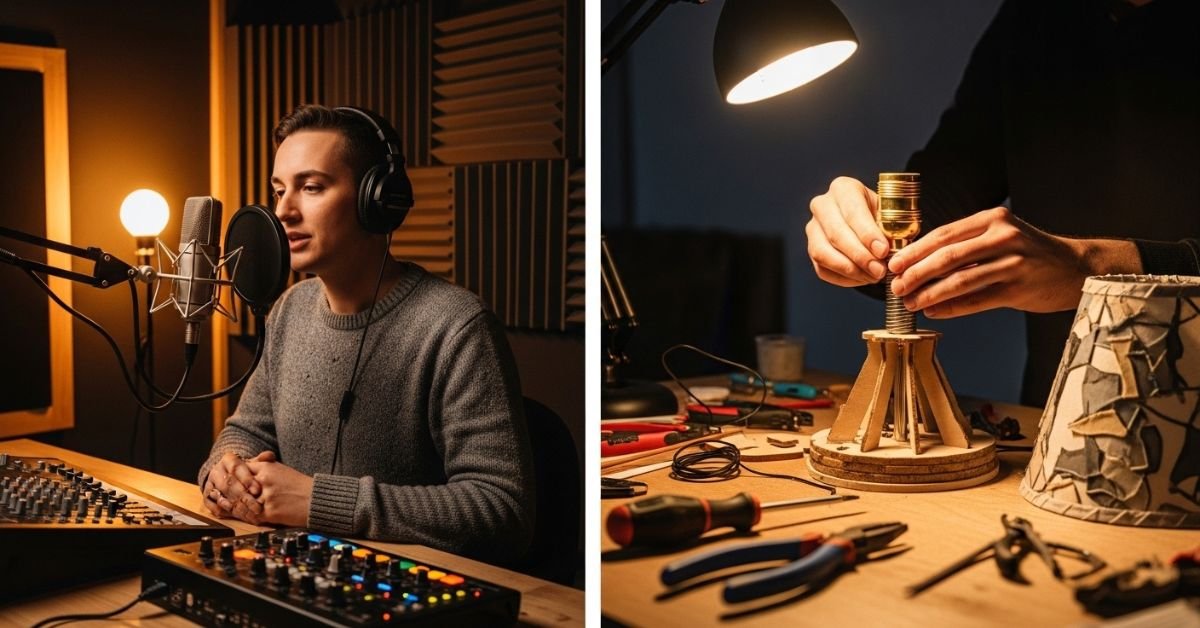
Creativity takes many forms — from crafting with your hands to producing audio that captures attention. Whether you’re recording your first podcast or building a lamp from scratch, success often comes down to detail, structure, and imagination. Interestingly, the same principles that make great podcast intros also apply to hands-on projects like wiring a lamp: both require planning, clarity, and a touch of personality.
In a world filled with digital innovation and DIY enthusiasm, these two creative outlets — sound design and home projects — represent the modern maker spirit.
Setting the Scene: Why First Impressions Matter
In podcasting, the opening few seconds are everything. The podcast intros you hear before the main content set the mood and tell listeners what to expect. They introduce the show’s tone, establish the host’s brand, and build anticipation for what follows.
A strong intro is often short but memorable. It might feature distinctive music, a catchy tagline, or a confident voiceover. The best ones blend all these elements seamlessly, creating a professional and engaging soundscape that keeps listeners tuned in.
Just as a striking intro draws people into a podcast, the first step in a DIY project — like assembling a lamp — sets the foundation for everything that follows. A neat, well-prepared start ensures that the final product is safe, functional, and visually appealing.
The Art of Crafting a Great Podcast Intro
Before recording, it’s important to define your show’s identity. What emotion do you want your intro to convey? Is your podcast informative and professional, or relaxed and conversational? The tone of your podcast intros should reflect this personality from the very first beat.
Professional creators often follow a few key guidelines when designing intros:
- Keep it brief. Most effective intros last 10–20 seconds. Listeners want to get to the content quickly. \
- Use consistent branding. Repeating the same sound or voice each episode builds familiarity. \
- Choose music wisely. Royalty-free or custom-composed tracks work best to avoid copyright issues. \
- Add a personal touch. Including your name or tagline helps your audience remember who you are. \
The right intro not only introduces your podcast but also builds a connection with your audience. It’s a small detail that makes a big difference — much like choosing the right components in a lamp wiring kit when starting a DIY lighting project.
Lighting Up Creativity: The Role of a Lamp Wiring Kit
Just as a podcaster needs the right tools to craft an engaging intro, a DIY enthusiast needs reliable materials to complete a lighting project. A lamp wiring kit provides all the essential parts needed to safely and efficiently wire or rewire a lamp — from the bulb holder and flex to the plug and switch.
These kits make it simple for anyone, even beginners, to bring new life to an old lamp or create a completely bespoke piece. Whether you’re restoring a vintage base found at a market or building your own design from scratch, a well-made wiring kit ensures your lamp is both beautiful and functional.
Parallels Between Sound Design and DIY Craft
At first glance, podcast intros and lamp wiring might seem worlds apart — one is digital and auditory, the other tangible and hands-on. Yet both require similar traits: precision, creativity, and an understanding of how each component works together.
When recording an intro, every element must align — the voice, music, pacing, and volume balance. One misstep can make it feel amateurish. Likewise, when wiring a lamp, attention to detail is key. The connections must be secure, the wires correctly installed, and the components safely fitted. Both processes reward patience and craftsmanship.
In the end, both are creative expressions — one through sound and storytelling, the other through light and design.
The Satisfaction of Creating Something Yourself
There’s something deeply rewarding about making something from scratch. Whether you’re producing a polished podcast episode or wiring your first lamp, that sense of pride in your finished work is the same. You’ve taken raw materials — sounds or parts — and shaped them into something unique.
Using a lamp wiring kit can be a surprisingly therapeutic experience. Assembling the components step by step allows you to slow down, focus, and enjoy the process. Similarly, editing your podcast intros to get the sound just right can be a creative flow activity — one where you lose track of time as you perfect every detail.
Combining Craft and Technology
In many ways, the modern creative landscape encourages this blend of skills. A podcaster might also be a DIY enthusiast, comfortable mixing audio and building home projects. Both hobbies involve experimentation and a willingness to learn new techniques.
Just as technology has made podcasting more accessible — with affordable microphones, editing software, and royalty-free sound libraries — DIY projects have been simplified by ready-to-use kits and online tutorials. A lamp wiring kit, for example, takes the guesswork out of sourcing compatible parts, letting you focus on creativity rather than complexity.
Bringing Your Ideas to Life
Whether you’re lighting up a room or capturing an audience’s attention, the key to success is starting with the right foundation. A well-structured podcast intro draws listeners in and sets a professional tone for your show, while a properly assembled lamp wiring kit ensures your creation is safe and stylish.
Both remind us that creativity thrives where imagination meets craftsmanship. With care, patience, and a spark of inspiration, you can bring your ideas — in sound or light — to life.